Building a strong email list is one of the smartest investments a business can make. In 2025, email remains among the top channels for marketing ROI, direct communication, and customer loyalty. For beginners, growing a high-quality subscriber base can feel daunting—but with the right strategies, you can build a list that’s engaged, relevant, and legally compliant.
What Is Email List Building?
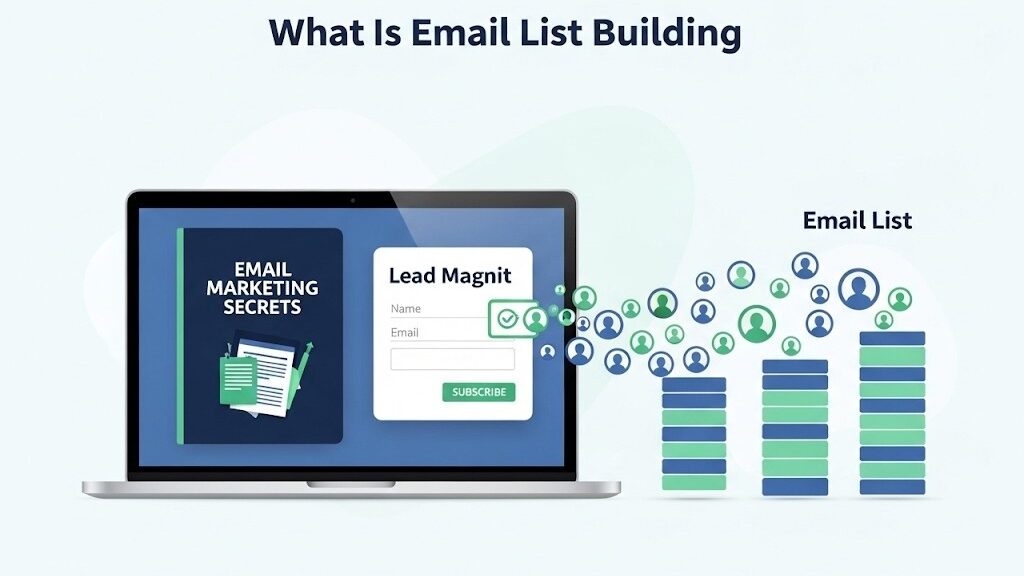
Email list building means collecting email addresses from people who have explicitly agreed to receive your communications—newsletters, offers, updates, educational content, or other value you provide. This is done through opt-in forms, landing pages, content upgrades, or other permission-based methods.
Importantly, a quality email list isn’t defined by size—it’s defined by relevance. A smaller list made up of active, interested subscribers is far more valuable than a large but disengaged one.
Why Email List Building Matters in 2025
- Email as a Reliable, Owned Channel
Social networks can change rules, algorithms, or reach overnight. With email, you own the contact list—you control when and how you communicate with your audience. - High ROI
Recent reports show that email marketing continues to outshine many other channels in terms of return on investment. When people opt in, engagement is higher, and conversion rates tend to follow. - Privacy & Regulation Trends
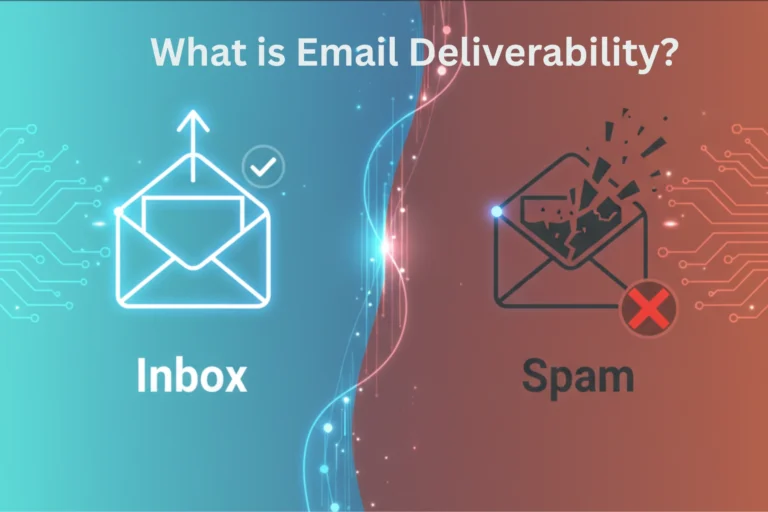
Laws like GDPR, CCPA, and other data privacy rules emphasize opt-in consent. Building your list correctly not only avoids legal trouble, but also improves trust and deliverability. - Engaged Subscribers Convert Better
People who choose to join your list are usually more ready to engage, purchase, or become loyal customers. A focused list lets you segment, personalize, and send messages that convert rather than send generic email blasts.
Keyword Strategy Notes
In this article, some of the primary keywords you’ll see:
- email list building tips
- how to build an email list
- beginner email list growth
- email list building strategies 2025
- opt-in list vs opt-out
- lead magnet ideas
These are searched frequently and are relevant for beginners seeking actionable advice in 2025.
Top Email List Building Tips for Beginners
Here are proven, research-backed tactics to grow your email list when just starting out:
1. Use Opt-In Forms With Strong Lead Magnets
People rarely give up their email for nothing. Offer something valuable in return—a checklist, ebook, discount, mini-course, webinar, template, or something your target audience finds useful.
- According to Klaviyo, giving people “something they want” as a sign-up incentive is among the most effective ways to grow a list.
- Make the incentive solve a real short-term problem of your audience (e.g. “5-minute guide to improve email open rates”).
2. Choose Double Opt-In When Quality Matters
Using double opt-in means the subscriber must confirm their email address after signing up. This extra step leads to fewer invalid addresses, fewer spam complaints, and often higher deliverability.
- A recent analysis found that double opt-in lists tend to have better engagement and fewer problems with spam.
- If you want a highly engaged audience, the double opt-in model is especially useful.
3. Use Multiple Signup Locations
Don’t limit signup forms to one place. Use:
- Pop-ups or slide-ins (but make them user-friendly)
- Inline forms in blog posts
- Sidebar or footer forms
- Dedicated landing pages
- Checkout opt-ins (for e-commerce stores)
The more touchpoints you offer, the more chances people have to subscribe.
4. Create Content That Pulls People In
Useful, relevant content is a magnet for subscribers. Some content types that work well:
- Blog posts with content upgrades (extra PDFs/templates)
- Quizzes, assessments, or interactive tools
- Free challenges or “mini-courses” via email
- Webinars or live events
- Social media content that links to signup pages
5. Promote Signups Across Channels
Your website is just one place. Promote your list:
- On your social media profiles
- Through paid ads (if you have budget) with sign-up incentives
- In video content (YouTube, Reels, TikTok) with links to your landing page
- During live events, webinars, podcasts
6. Keep Signup Forms Simple
The more fields you ask for, the lower your conversion. For beginners:
- Start with just Email + maybe Name
- Display what subscribers will get (how often, what type of content)
- Use clear, compelling calls to action (CTA like “Get free guide,” “Join community”)
7. Maintain List Hygiene & Engagement
- Remove inactive subscribers (no opens or clicks for 3-6 months)
- Use re-engagement campaigns to win people back
- Clean invalid / bouncing emails to protect deliverability
- Segment your list (active, inactive, new) to send relevant content
8. Comply with Privacy Laws & Best Practices
- Use opt-in (single or double) depending on your quality vs quantity tradeoff
- Include clear consent statements (e.g. “I agree to receive…”)
- Provide easy unsubscribe links
- Follow rules in regions you serve (GDPR, CCPA)
Mistakes to Avoid
To ensure you build a healthy, engaged list, avoid:
- Buying email lists — often violates laws, leads to high spam complaints, low engagement.
- Using over-aggressive pop-ups without value
- Ignoring mobile users — many people sign up via phone; forms must be mobile friendly
- Neglecting welcome sequences — first emails have the highest open rates; missing this is wasted opportunity
- Failing to test — subject lines, form placement, incentive types; testing helps discover what works best for your audience
How to Measure Success
To know if your email list building efforts are working, track these metrics:
| Metric | Why It Matters |
|---|---|
| Subscription Rate | How many visitors become subscribers → shows form/incentive effectiveness |
| Email Open Rate & Click Rate | Indicates engagement; if low, your emails are not resonating or deliverability is an issue |
| Growth Rate (net new) | New subscribers minus unsubscribes/inactive = real growth |
| Bounce Rate & Invalid Emails | High bounce rate harms sender reputation; matters for deliverability |
| Unsubscribe Rate & Spam Complaints | Signs of dissatisfaction; clean up list regularly |
Putting It All Together: Beginner’s Plan
If you’re just starting, here’s a simple plan for the first month:
- Set up a basic landing page or website with clear opt-in forms
- Choose one lead magnet (ebook, checklist, webinar) tied to your audience’s needs
- Install simple signup forms in at least three places (pop-up, inline article, footer)
- Promote your signup incentive via one social platform and content pieces
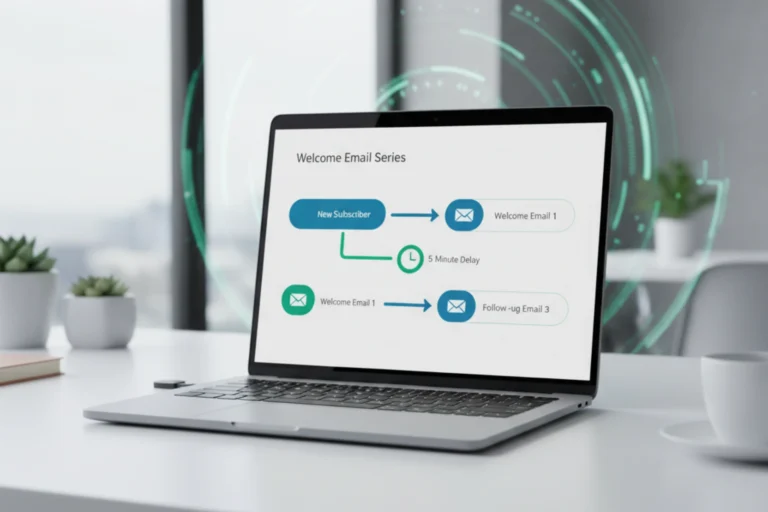
- Send a welcome sequence (2-3 emails) introducing yourself, setting expectations, delivering the lead magnet
- Monitor subscription rate & open/click metrics; test form placements or lead magnets if results are low
Final Thoughts
Email list building is absolutely essential for any beginner who wants sustainable growth. It gives you a direct line to people who choose to hear from you—something no social media or ads can guarantee.
The key is quality over quantity: build ethically, offer real value, stay compliant, keep engagement strong, and always test your methods. If you follow the tips above consistently, you’ll build a subscriber list that not only grows but converts, fosters loyalty, and provides compounding returns over time.
Common Questions:
1: What is email list building and why is it important?
Short Answer:
Email list building is the process of collecting email addresses from people interested in your business. It’s important because it helps you build direct customer relationships and increase sales.
Explanation:
Unlike social media, where algorithms control reach, an email list gives you full control over communication. With a strong list, you can promote offers, build brand trust, and create long-term value without relying on paid ads.
2: How do beginners start building an email list from scratch?
Short Answer:
Beginners can start by creating a simple signup form, offering a free incentive (like a guide or discount), and promoting it on their website and social media.
Explanation:
You don’t need advanced tools to start. Begin with an email marketing platform that offers free plans. Use CTAs on blogs, popups, and landing pages. Consistency and offering real value are key for beginners to grow faster.
3: What are the best free tools for email list building in 2025?
Short Answer:
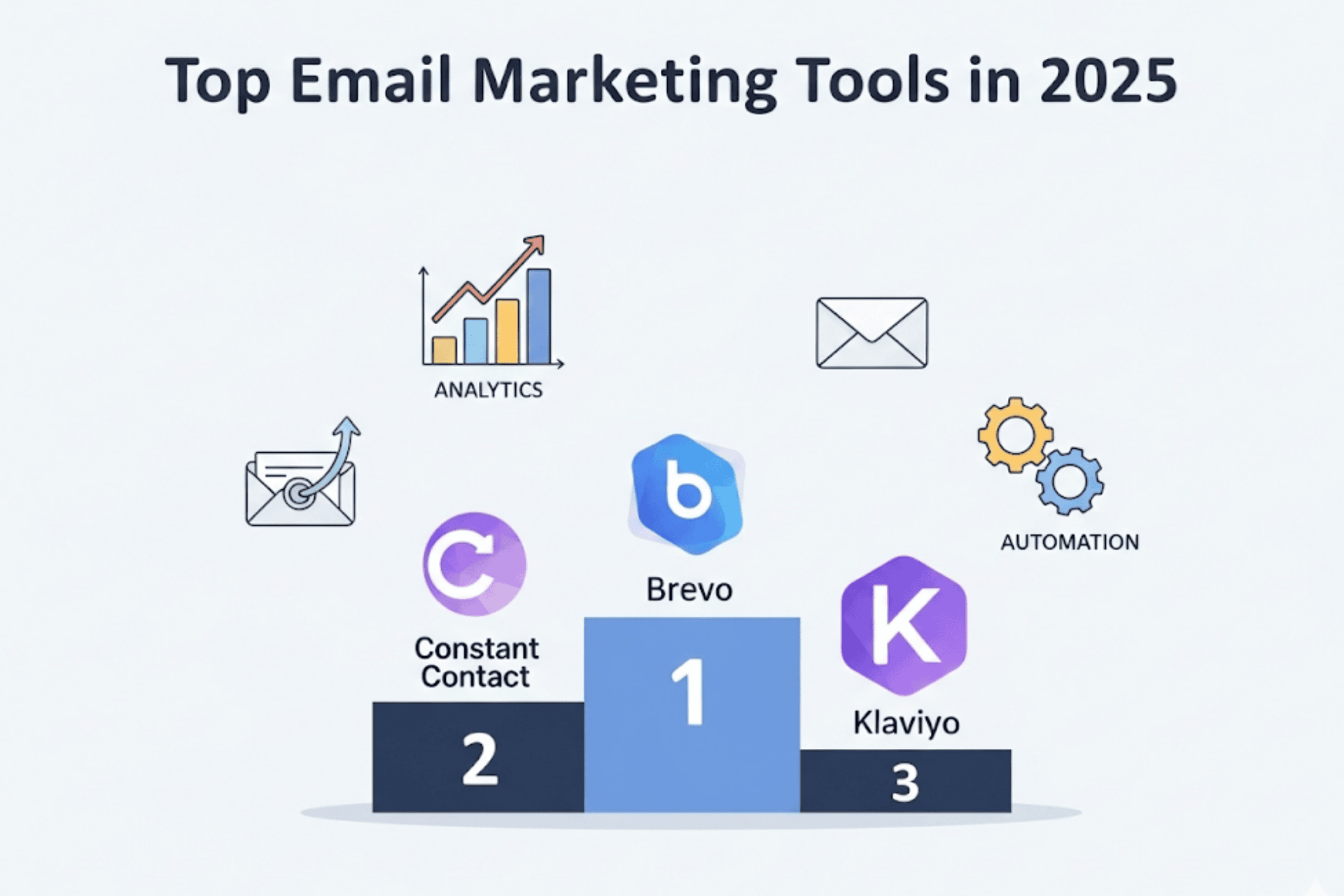
Some of the best free tools include Brevo, Mailchimp, ConvertKit, and MailerLite. They offer easy-to-use sign-up forms, automation, and analytics.
Explanation:
Free plans let beginners experiment without cost. Choose a tool based on your needs: Brevo for automation, Mailchimp for templates, or ConvertKit for creators. Start simple, and upgrade later as your list grows.
4: How can I grow my email list quickly without paid ads?
Short Answer:
You can grow your list by using lead magnets, social media promotion, blog content, and referral incentives.
Explanation:
Content marketing, SEO-driven blog posts, and community engagement are powerful organic methods. Offering free eBooks, webinars, or discount codes encourages signups. A referral program (e.g., “invite a friend”) can accelerate list growth without extra costs.
5: How often should I email my list to keep subscribers engaged?
Short Answer:
Most experts recommend sending 1–2 emails per week to stay consistent without overwhelming your audience.
Explanation:
Frequency depends on your niche, but regular, valuable communication matters most. Focus on quality over quantity: share helpful tips, product updates, and exclusive offers. Consistency builds trust, which improves open rates and reduces unsubscribes

Hi, I’m Jawad Khalid worked in Digital Marketing and as a content manager. I’ve been testing and reviewing digital marketing software since 2015. My main expertise is taking complex tools and breaking them down into simple, practical reviews. Here, I focus on putting platforms like Brevo through their paces for our own projects to see how they truly perform. I’m excited to share my findings and support you on your marketing journey!